Trusted Roof Repair Solutions in Madison
Reputable Roofing Partner for High-Grade Home Coverage
Picking a trustworthy roofing contractor is an vital decision for homeowners. A experienced professional ensures adherence with industry standards and minimizes potential risks. The right contractor not only delivers personalized solutions but also stresses strong communication and trustworthiness. This foundation produces a protected and fortified home. However, the process of finding such a contractor demands more than just a quick search. Recognizing the key qualities and factors can make all the difference.
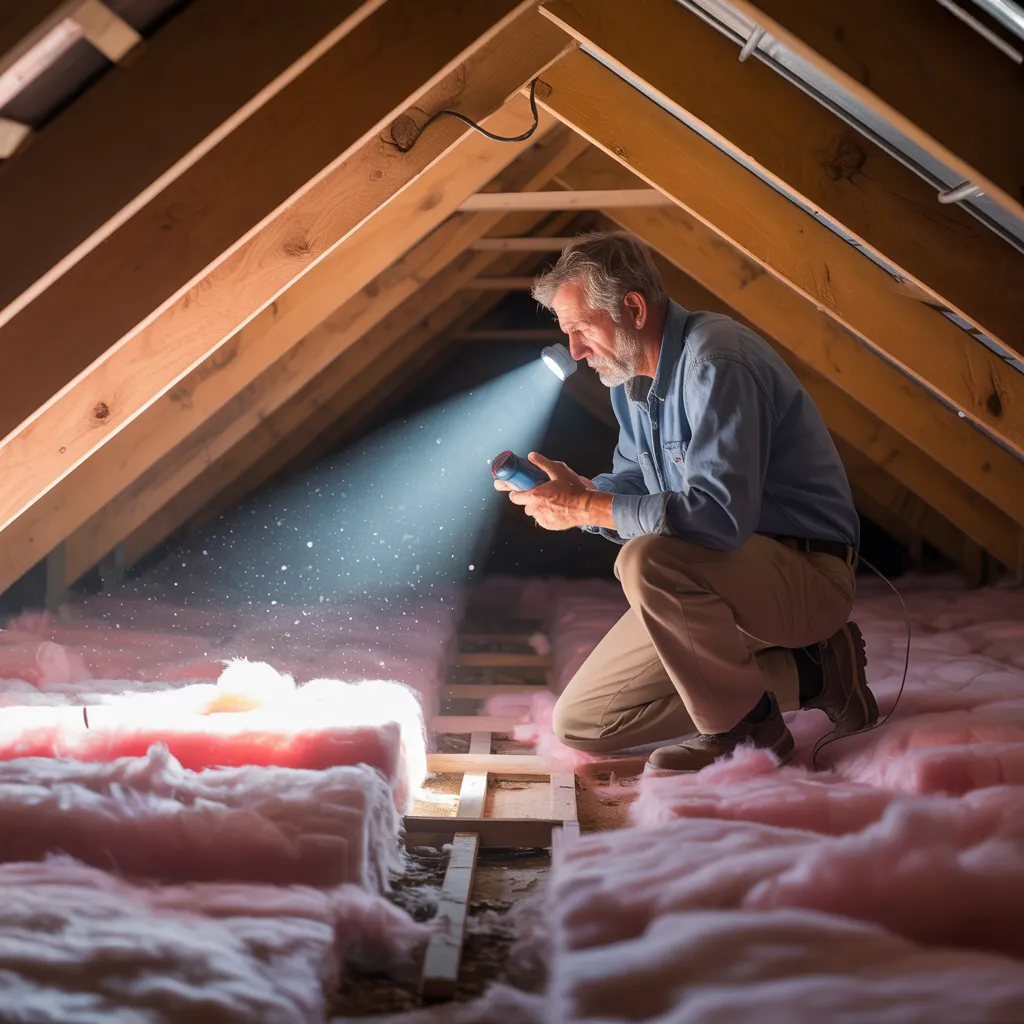
Why Choosing the Best Roofing Contractor Matters
How crucial is it to pick the appropriate roofing contractor? The selection of a roofing contractor crucially impacts the longevity and performance of the roofing system. An inadequately installed roof can cause leaks, structural damage, and rising energy costs, ultimately jeopardizing the home's safety. A reputable contractor guarantees compliance with local building codes and employs high-quality materials, fostering a strong and reliable roof. Additionally, experienced contractors provide valuable insights into the best roofing solutions tailored to specific needs, enhancing overall home protection. A poorly chosen contractor, on the other hand, may result in subpar workmanship and unforeseen expenses. This decision carries long-term repercussions; thus, thorough research and evaluation are essential. Retaining a dependable contractor not only secures the roof but also fosters peace of mind for homeowners, knowing their investment is safeguarded. Ultimately, picking the right roofing contractor is foundational to maintaining the integrity of the home.
Key Characteristics to Search for in a Roofing Professional
Picking a roofing professional necessitates careful consideration of numerous attributes that ensure a completed project. First, a established contractor should have valid licensing and protection, confirming compliance with local standards and protection against likely liabilities. Knowledge in the roofing field is vital, as it shows a contractor's skill to handle various challenges proficiently.
Additionally, excellent interpersonal abilities are important; a good contractor keeps clients updated throughout the project, resolving concerns quickly. Dependability is another fundamental quality, demonstrating that the contractor can meet timelines and commitments.
Furthermore, a strong collection presenting past work can furnish understanding into the contractor's skill and approach. Finally, positive customer reviews and recommendations function as a measure of their reputation and quality of service. By examining these key characteristics, homeowners can take a informed decision when selecting a roofing professional to safeguard their homes successfully.
Key Roofing Materials: Types and Strengths
Roofing supplies are crucial in the durability and aesthetics of a home. Various kinds are available, each with unique advantages. Asphalt shingles are popular due to their cost-effectiveness and ease of installation, making them suitable for many homeowners. Metal roofing, known for its longevity and resistance to extreme weather, can be a more sustainable choice, often reflecting heat to reduce energy costs.
Clay and concrete tiles present remarkable toughness and a classic appearance, while slate roofing is much respected for its elegance and lasting quality, although it comes at a higher price point.
Wood shakes provide a natural aesthetic, but they need more attention. In the end, composite materials, like rubber or polymer shingles, combine the strengths of traditional materials while being easy to install and eco-friendly. Determining the right roofing material is vital for ensuring both protection and aesthetic appeal, in the end enhancing the home's value.
Evaluating Roofing Estimates: What to Look For
When assessing a new roof, comparing quotes from roofing contractors is a vital step in the selection journey. Homeowners should concentrate on critical elements to ensure they obtain a equitable and comprehensive proposal. First, it is crucial to analyze the work scope contained in each estimate, encompassing materials, labor, and any supplementary services. Detailed itemization facilitates comprehension of what is part of the proposal.
Next, property owners should look for guarantees on both materials and workmanship. A reliable contractor often provides a warranty that safeguards against defects. Additionally, the timeline for job completion should be specified, as postponements can affect planning and budget.
At last, it's sensible to appraise the contractor's image through critiques and citations, verifying they have a legacy of quality work. By carefully examining these points, homeowners can determine the best course that best accommodate their expectations and financial plan.
Why Credentials and Protection Are Necessary?
A robust base for any roof installation relies on the contractor's licensing and insurance. Licensing ensures that the contractor has met specific regulatory standards and industry requirements, showing a commitment to quality and professionalism. It acts as a protection for property owners, indicating that the contractor is capable to perform the required work.
Insurance, by contrast, defends both the contractor and the homeowner from potential liabilities. In the event of injuries or destruction during the roofing process, insurance delivers coverage, assuring that financial burdens do not fall on the homeowner. Without adequate insurance, a homeowner might face major out-of-pocket expenses if something goes wrong.
Together, registration and coverage simultaneously enhance the contractor's trust but also give peace of mind to homeowners. Investing in a competent, licensed, and insured roofing contractor ultimately adds to the long-term protection and resale value of the home.
Primary Questions You Should Ask Your Roof Company?
How can property owners guarantee they choose the right roof contractor? One practical method is to create a evidence set of essential questions to ask potential contractors. Property owners should ask regarding the contractor's experience and previous work to assess their expertise. It's also vital to ask for references and reviews from past customers, which can offer useful information into the contractor's dependability.
Another major point concerns the materials and techniques the contractor means to apply, confirming they fulfill professional benchmarks. Property occupants should also confirm that the contractor is properly licensed and protected, offering protection against possible legal exposures. Furthermore, exploring the timeline and payment plan can assist in defining mutual understandings. Ultimately, property occupants should seek information on protective guarantees on materials and labor both, ensuring confidence in durability and quality. Through such focused inquiries, homeowners can make well-informed choices, confirming their roofing work is completed with efficiency and effectiveness.
How a High-Quality Roof Adds to Your Home's Value
Investing in a high-quality roof not only protects a home but also greatly enhances its market value. A properly built roof acts as a defensive shield against the elements, reducing the chance of water damage and foundation problems. Homebuyers often prioritize the condition of the roof, as it significantly affects their future repair expenses.
Moreover, a visually striking roof can boost the overall aesthetic of a property, increasing its appeal to interested buyers. Various roof options and configurations can also impact resale value; superior-quality materials such as slate or metal tend to yield higher returns on investment.
Furthermore, a updated roof can enhance fuel economy, resulting in reduced utility bills, which is an engaging feature for eco-conscious buyers. All things considered, a quality roof not only gives peace of mind but also functions as a key asset in optimizing a home's value in a competitive real estate market.
Regularly Asked Questions
How long Does a Standard Roofing Project Take to Complete?
A conventional roofing project normally takes between several days and one week to complete. Aspects such as how large the roof is, weather conditions, and material type can impact the overall duration of the project substantially.
What Kinds of Protection Plans Exist for Roof Work?
Many warranty programs for roofing services exist, including manufacturer warranties that cover materials and labor guarantees from contractors. These warranties often range from a few years to several decades, reliant on the materials used and the contractor's policies.
How Can I Maintain My Roof After Installation?
Sustaining a roof in good condition after installation requires routine assessments, clearing debris, cleaning gutters, and repairing any damage quickly. Additionally, professionals recommend periodic servicing reviews to guarantee longevity and peak performance.
What Steps Ought I Follow if My Roof Leaks?
If a roof leaks, the homeowner should identify the source of the leak, contain any water damage, and hire a contractor for repairs. Timely action prevents further damage and guarantees the roof's integrity.
Is placing a fresh Roof Over an old One an option?
Yes, affixing a new roof over an existing one is practical, as long as the current roof is in good condition and local building codes approve it. This method can save time and reduce costs markedly.